

About Valuufy
We started with a question most sustainability companies avoid
If sustainability ratings are supposed to drive better outcomes, why does nobody trust them? Why can't a board trace a score back to evidence? We thought the answer deserved more than a better algorithm. It deserved a different approach entirely.
From a research lab in Kyoto
Valuufy grew out of a decade of academic research at Doshisha University. Professor Philip Sugai had spent years developing a stakeholder-balanced value model: a framework that didn't just measure whether companies reported on sustainability, but whether their actions actually created value for all seven stakeholder groups.In 2024, Kyle Barnes and Marco Koeder joined Philip to turn that academic framework into something practitioners could use. Not another black-box rating. Not another consultant's opinion wrapped in a dashboard. A transparent system where every score links to evidence, every assessment is reproducible, and every gap comes with a clear path forward.We call it the glass-box approach: you can see exactly how every conclusion was reached. That's not a feature. It's the founding principle.HeadquartersKyoto, Japan
Research FoundationDoshisha University, est. 2014
Company FoundedJune 2024
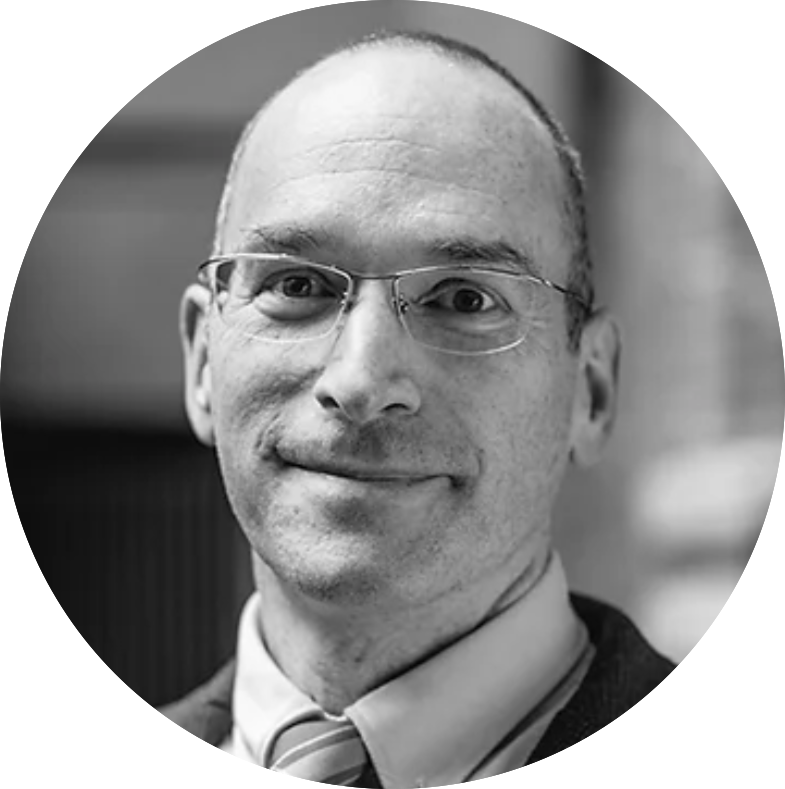
The team
Three founders. Three perspectives. One mission.


What we believe
The principles behind the platform
Transparency is non-negotiableIf you can't trace a score to its source, it's an opinion, not intelligence. Every ValuuCompass assessment comes with a complete evidence chain.
Stakeholders are not abstractEmployees, nature, society, the firm itself, customers, partners, shareholders. These are the groups that matter. Sustainable value means serving all of them, not trading one off against another.
Academic rigor belongs in the marketThe best sustainability research sits in journals nobody reads. We believe it should be embedded in tools practitioners actually use, without dumbing it down.
Japan has something to teach the worldThe Japanese tradition of stakeholder-balanced business (companies exist to serve society, not just shareholders) isn't just philosophy. It's a measurable competitive advantage.
Recognition
Where we've been recognized
TiE50 Top Startups 2025, TiE Silicon Valley
FIN/SUM 2025 Semi-Finalist, Japan's largest fintech summit
UN Science Summit, 3× Presenter, New York
Phoenixi Social Innovator, Japan's leading impact accelerator
Advisory Council
Our Advisory Council includes former strategic leaders from Apple, Cisco Systems, Sustainalytics, and S&P Global, people who have built and evaluated sustainability infrastructure inside large institutions. They keep our methodology honest about how this work actually gets used.